Replacing your roof is one of the most significant home improvement projects you can undertake. In...
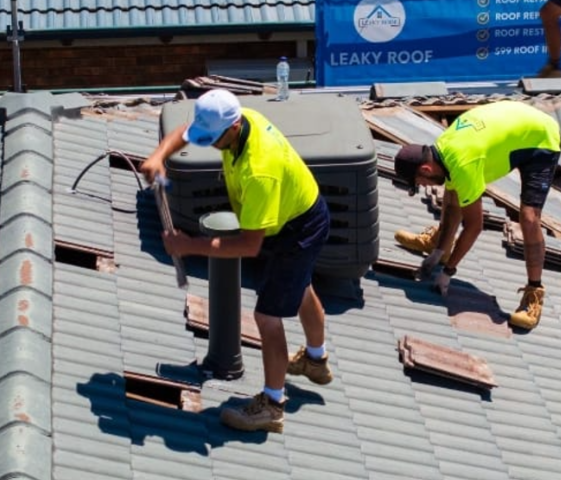 Your roof is your home’s first line of defense against the elements, and in Canberra’s unpredictable climate, it faces a lot of wear and tear. Over time, the roof can suffer from exposure to harsh sun, hail, rain, and cold temperatures, which may lead to damage. Knowing when your roof needs repair is essential in preventing larger, costlier issues. In this article, we’ll explore the key signs that indicate your roof may need attention and how to address them before they become more serious problems.

1. Missing or Damaged Tiles or Shingles
One of the most obvious signs that your Canberra roof may need repair is missing or damaged tiles or shingles. These components of your roof are essential for protecting your home from water infiltration. If a tile or shingle is cracked, broken, or missing, it can allow water to seep through, potentially causing leaks and water damage to the interior of your home.
What to Look For:
- Broken or cracked tiles/shingles: High winds, storms, and extreme temperatures can cause tiles or shingles to crack or break.
- Missing pieces: Regularly check for any areas where tiles or shingles have been displaced, as they may allow moisture to penetrate.
- Curling edges: Over time, shingles may curl or lift, especially after prolonged sun exposure.
What You Can Do:
If you notice any missing or damaged tiles, it’s essential to have them replaced as soon as possible to prevent further damage. It’s advisable to consult a professional roofing contractor to ensure that the new tiles match the existing ones and are properly installed.
2. Leaks and Water Stains
Another clear sign that your roof may need repair is the presence of leaks or water stains inside your home. Roof leaks typically occur due to damaged roofing materials, poor installation, or wear and tear over time. Water stains on your ceilings or walls are often an early warning sign that your roof is letting in moisture.
What to Look For: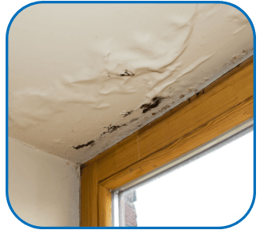
- Water stains: Yellowish or brown stains on your ceilings or walls, particularly after heavy rain, can indicate a leak in the roof.
- Dripping water: If you notice water dripping inside your home, it’s crucial to address the issue immediately to avoid structural damage or mold growth.
- Musty smell: Persistent dampness and a musty smell in your attic or ceiling area could be a sign of water damage.
What You Can Do:
If you discover water stains or leaks, it’s vital to address them quickly. Small leaks can lead to significant damage if not repaired promptly. Call a professional roofer to locate the source of the leak and perform necessary repairs.
3. Sagging or Uneven Roof Deck
A sagging or uneven roof deck can indicate serious underlying issues, such as structural damage or moisture buildup. This issue is often caused by water pooling in certain areas of the roof, which can weaken the structural integrity of the roofing system. In extreme cases, sagging can lead to a roof collapse.
What to Look For:
- Visible sagging: If you notice that your roof has a noticeable dip or sag, it’s likely that there is excess water accumulation or damage to the roofing framework.
- Cracking or buckling: Cracks in the ceiling or walls, combined with visible sagging, could indicate a compromised roof structure.
What You Can Do:
Sagging roofs are often a result of underlying structural issues that require immediate attention. If you notice any signs of sagging, call a roofing contractor right away for a detailed inspection and to assess whether repairs or a complete roof replacement are necessary.

4. Granules in Gutters
Granules in your gutters are another telltale sign that your roof may need repair, particularly if you have an asphalt shingle roof. Over time, shingles lose their granules due to age, wear, and exposure to the elements. When these granules start to collect in your gutters, it often means that your shingles are deteriorating.
What to Look For:
- Excess granules: A small amount of granules in the gutter is normal, but if you notice a significant amount, it’s a sign your shingles are breaking down.
- Faded or bald spots: If your shingles appear faded or have bald spots where the granules have worn off, it can reduce their effectiveness in protecting your home from the elements.
What You Can Do:
If you notice a significant amount of granules in your gutters, it may be time for a roof inspection. A professional roofer will be able to assess the condition of your shingles and determine if a replacement is needed.
5. Cracked or Damaged Flashing
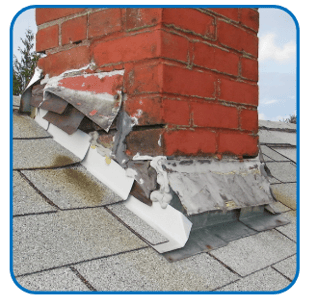
Flashing is the metal material used around chimneys, vents, and other protrusions on your roof to seal gaps and prevent water from getting underneath the roofing materials. If the flashing is damaged, cracked, or worn out, water can seep through and cause leaks in these vulnerable areas.
 What to Look For:
- Cracked or missing flashing: Over time, flashing can crack due to weather exposure or improper installation.
- Rust or corrosion: Metal flashing may begin to rust or corrode, especially if exposed to moisture for long periods.
- Gaps around vents or chimneys: If you notice gaps around chimneys or vents, water could infiltrate through these areas.
What You Can Do:
Damaged or deteriorating flashing should be replaced to ensure your roof is properly sealed. If flashing around chimneys, skylights, or vents is cracked or corroded, consult with a roofing professional to address the issue.
6. Moss and Algae Growth
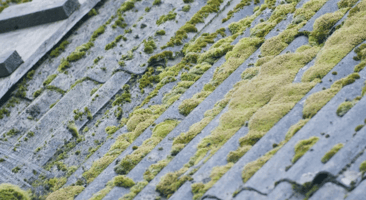
In Canberra’s climate, moss and algae can develop on your roof if moisture remains trapped on the surface. These growths not only look unsightly but can also cause damage by retaining water against your roof, which can lead to rot and decay.
What to Look For:
- Green or black streaks: Moss or algae typically appear as green or black streaks along the roof surface.
- Growth in shaded areas: Moss tends to grow in areas that remain damp, especially in shaded parts of the roof.
What You Can Do:
While moss and algae may not always cause immediate structural damage, it’s essential to address them to prevent long-term issues. Consider using a safe roof cleaning solution to remove the moss or algae. If the problem persists, consult with a roofer for further assistance.
7. Age of the Roof
The age of your roof is another critical factor in determining whether it needs repair or replacement. Most roofs last around 20 to 30 years, depending on the materials used. If your roof is nearing the end of its lifespan, it may be time to replace it before problems arise.
What to Look For:
- Roof material: Asphalt shingles typically last 20–25 years, while metal or tile roofs can last 40 years or more.
- Age-related wear: If your roof is old and showing signs of wear, such as curling shingles, constant leaks, or excessive granules in the gutters, it may be time to replace it.
What You Can Do:
If your roof is aging and showing signs of deterioration, consider consulting a professional roofing contractor to discuss whether it’s time for a full roof replacement or just minor repairs.
Conclusion
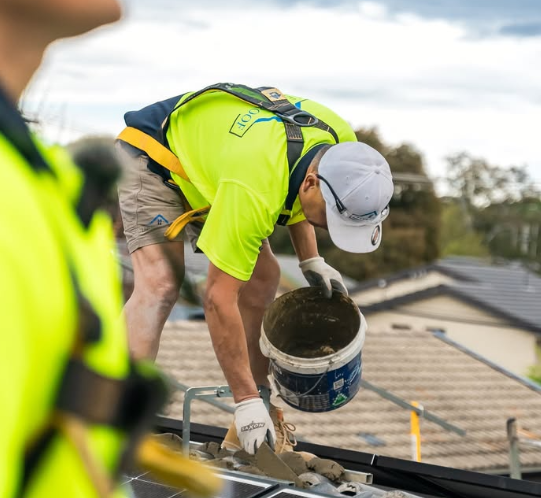
Your roof plays a crucial role in protecting your home from the elements, and spotting early signs of damage can save you from costly repairs in the future. Whether it’s missing tiles, leaks, or sagging, addressing these issues promptly is essential to prevent further damage. If you’ve noticed any of the signs we’ve discussed, don’t wait for the problem to worsen.
For Canberra homeowners facing roof issues, Leaky Roof is here to help. With years of experience in providing professional roof inspections and repairs, our team can identify and fix any roof problems quickly and efficiently. Whether it’s a small leak or extensive damage, we’re committed to ensuring your roof stays in top condition. Contact Leaky Roof today for expert advice and reliable roofing solutions that will protect your home for years to come.