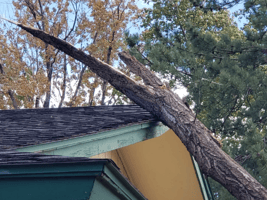
Sydney’s lush, green landscape is one of its most appealing features, but for homeowners, it also...
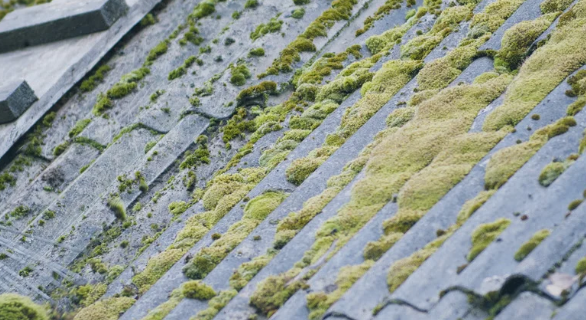
Your roof is your first line of defense against the elements, but over time, nature can take a toll on it in ways you might not expect. Moss, algae, and lichen can slowly cause damage to your roof’s structure, reducing its lifespan and leading to expensive repairs. While these natural growths may seem harmless at first, they can silently weaken your roof, causing issues like leaks, water damage, and even structural problems. Fortunately, with the right knowledge and care, you can prevent these unwanted intruders from taking hold and protect your roof from their destructive effects.

What Are Moss, Algae, and Lichen?
Moss, algae, and lichen are types of growths that commonly appear on roofs in damp, shaded areas. Each of these organisms can create different types of problems, but they all share one thing in common: they thrive in conditions where moisture is present. Let’s take a closer look at each:
- Moss: Moss is a small, green plant that thrives in moist, shaded environments. It attaches itself to roofing materials, forming dense clumps that trap moisture against the surface of your roof.
- Algae: Algae are microorganisms that grow in warm, humid conditions. They often appear as black or green streaks on roofs, especially on the north-facing slopes where sunlight is limited.
- Lichen: Lichen is a combination of fungi and algae that forms crusty, patch-like growths on roofs. Lichen can be particularly harmful, as its roots penetrate the roof material, causing damage to the shingles.
Each of these organisms can cause serious damage to your roof if left untreated. Over time, they can trap moisture, which can lead to rot, weakening of the shingles, and the potential for leaks. They can also block gutters, preventing proper water flow and causing water to back up under the roof.
Why Do Moss, Algae, and Lichen Grow on Roofs?
The main reason these growths appear on roofs is the presence of moisture and a lack of sunlight. Roofs that are shaded by trees, located in areas with high humidity, or frequently exposed to rain are particularly vulnerable. Moss, algae, and lichen thrive in these damp, shady conditions, where water lingers on the surface of the roof.
Some common reasons why these growths become a problem include:
- Shaded Roof Areas: Roofs that are shaded by trees or other structures tend to retain moisture longer, providing an ideal environment for moss and algae to grow.
- Clogged Gutters: If your gutters are clogged with leaves and debris, water can accumulate on the roof, creating a breeding ground for algae and moss.
- Poor Roof Ventilation: Without proper ventilation, your roof can trap excess moisture in the attic, which can then seep through the roof and create the conditions necessary for moss, algae, and lichen to grow.
How to Prevent Roof Damage from Moss, Algae, and Lichen Buildup
Fortunately, there are several preventive measures you can take to protect your roof from the damaging effects of moss, algae, and lichen. Here are some effective strategies:
1. Regular Roof Inspections
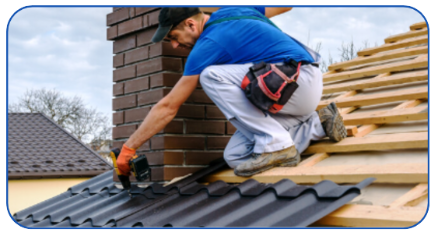 One of the most important steps you can take to prevent roof damage is to have regular roof inspections. Inspecting your roof annually, particularly after storms or heavy rainfall, will allow you to catch any early signs of moss, algae, or lichen growth before they become a bigger issue. During the inspection, check for any dark streaks or patches on your roof, as these are often signs of algae or lichen. Look for areas where moss is beginning to form, especially on the shaded areas of your roof. If you spot any of these signs, take immediate action to prevent further damage.
2. Trim Overhanging Trees
Tree branches that overhang your roof can provide the perfect conditions for moss and algae growth by blocking sunlight and retaining moisture. By trimming back overhanging branches, you’ll allow more sunlight to reach your roof and reduce the chances of moss, algae, and lichen taking hold. Removing branches also helps to prevent leaves and debris from accumulating on your roof, which can further contribute to the growth of these organisms.

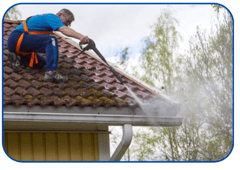 3. Clean Your Roof and Gutters Regularly
Cleaning your roof and gutters is essential for preventing the buildup of moss, algae, and lichen. Leaves and debris that accumulate in your gutters can block the flow of water, causing it to back up and sit on the roof. This standing water creates the perfect environment for moss and algae to grow. Clean your gutters regularly, especially during the fall when leaves are most likely to accumulate. You should also remove any debris from the roof itself, particularly from the valleys where water tends to collect.
4. Install Zinc or Copper Strips
One of the most effective ways to prevent moss and algae growth is by installing zinc or copper strips along the ridge of your roof. When it rains, the water will wash small amounts of zinc or copper down the roof, which prevents moss and algae from growing. These metals are toxic to the growth of these organisms, and installing strips is a simple, low-maintenance way to keep your roof clean and protected.
5. Apply a Roof Cleaning Solution
If you already have moss, algae, or lichen on your roof, a roof cleaning solution can help to remove them. There are several commercial cleaning products available that are specifically designed to kill moss, algae, and lichen without damaging the roof. When applying a roof cleaner, make sure to follow the manufacturer's instructions carefully. It's also important to use proper safety equipment, such as a ladder, harness, and gloves, as cleaning your roof can be dangerous.
6. Improve Roof Ventilation
Proper roof ventilation helps to prevent moisture buildup in your attic, which can contribute to moss and algae growth on the roof. Ensure that your attic is properly ventilated to allow moisture to escape and to keep the roof dry. A well-ventilated attic helps to regulate temperature and humidity levels, reducing the risk of moss, algae, and lichen forming.
What to Do if Your Roof Has Already Been Damaged
If your roof has already suffered damage from moss, algae, or lichen, it’s important to take prompt action. Left untreated, these growths can cause damage to shingles, leading to leaks and expensive repairs. If you notice signs of damage, such as loose or missing shingles, water stains on the ceiling, or leaks in your attic, it’s crucial to call a professional roofing contractor to assess the situation.
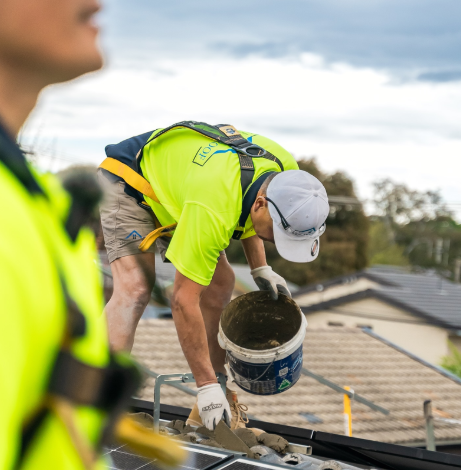
A professional roofer can clean your roof safely and remove any growths that may be causing damage. They can also repair any damage to your shingles or roof structure and provide advice on how to prevent future buildup.
Conclusion
Moss, algae, and lichen may seem harmless at first, but over time, they can significantly damage your roof, leading to costly repairs and reduced lifespan. By staying proactive with regular roof inspections, maintaining proper roof ventilation, cleaning your gutters, and using preventive measures like zinc or copper strips, you can protect your roof from these destructive intruders. If your roof has already been affected, it's essential to act quickly to prevent further damage.
For expert advice and professional roof cleaning, maintenance, and repairs, trust Leaky Roof. Our team is committed to ensuring your roof remains in top condition, providing long-term protection against the elements. Contact us today for a comprehensive roof inspection and reliable solutions that will keep your home safe and secure.