Sydney’s weather can be unpredictable, especially during storm season. The city experiences heavy...
A leaking roof can be a stressful situation for any homeowner, but knowing what to do when it happens can save you time, money, and potential damage to your property. Sydney’s weather can be unpredictable, with sudden rainstorms or extreme heat, making roof leaks a common problem. This guide will walk you through the essential steps to take when your roof leaks, from immediate actions to long-term solutions.

Step 1: Identify the Leak
The first thing to do when you notice a leak is to find its source. Roof leaks can be tricky, as the water might not drip directly beneath the leak; instead, it could travel along beams or insulation before it makes its way to the ceiling.
- Check for Water Stains: Look for any water stains on your ceiling, walls, or floor. This will give you a clue as to where the water is coming from.
- Inspect the Attic: If possible, go into your attic and check for signs of water coming in. The roof’s structure might also show damage like cracked beams or wet insulation.
Step 2: Contain the Leak
 Once you've identified the source of the leak, the next step is to contain it to prevent further damage to your home.
- Move Furniture: If water is dripping onto furniture or valuables, move them out of the way to prevent damage.
- Place Buckets or Containers: Place a bucket or container under the leak to catch the water. If the leak is large, use multiple containers to prevent overflow.
- Cover the Area: If the leak is coming from the roof, cover the area with a waterproof tarp or plastic sheeting to temporarily block the water. You can use duct tape or ropes to secure the tarp.
Step 3: Inspect for Temporary Fixes
While waiting for professional help, you may be able to make a temporary repair to reduce the amount of water entering your home.
- Roof Leaks in Dry Conditions: If the weather is dry, you can attempt to patch up the leak. Use roofing tar or a special roof sealant to cover cracks or gaps in the roof. If you have a tile or shingle roof, replace any damaged tiles or shingles.
- Temporary Patching: Use a plastic tarp and roofing nails or screws to secure the tarp over the affected area. Make sure the edges of the tarp are sealed properly to prevent water from flowing underneath.
Step 4: Call a Professional Roofing Service
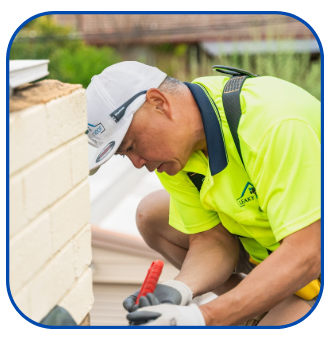 A leaking roof is a serious issue that requires professional attention. Even if you've temporarily sealed the leak, it's crucial to call a roofing expert as soon as possible.
- Choose a Reliable Roofing Company: When calling a roofer, ensure you choose a company with experience in dealing with roof leaks and that offers emergency repair services. Look for local companies in Sydney that can respond quickly.
- Request an Inspection: Have a professional roofer inspect the entire roof, not just the area of the leak. There could be underlying issues, such as damaged flashing, blocked gutters, or worn-out shingles that are contributing to the problem.
Step 5: Repair the Roof
Once the roofer has identified the cause of the leak, they will proceed with the necessary repairs. The type of repair will depend on the extent of the damage.
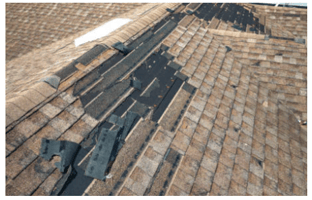
- Shingle or Tile Replacement: If broken or missing shingles are the cause, they will need to be replaced. Make sure the roofing materials used match the existing roof to ensure a seamless repair.
- Flashing Repairs: Leaks around chimneys, skylights, and vents are often caused by faulty flashing. This will need to be resealed or replaced to prevent further water penetration.
- Sealant Application: For flat roofs, roofing professionals may apply a waterproof sealant to areas where water is pooling, preventing future leaks.
Step 6: Prevent Future Leaks
Once the leak is fixed, taking steps to prevent future issues is essential.
- Regular Roof Inspections: Schedule roof inspections at least twice a year, ideally before and after the storm season. This will help identify any wear and tear before it leads to leaks.
- Clean Your Gutters: Blocked gutters are one of the leading causes of roof leaks. Make sure your gutters are cleaned regularly to allow water to flow freely and prevent water from pooling on your roof.
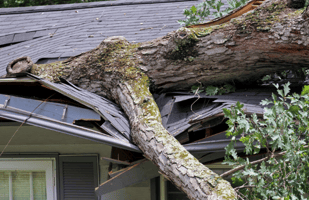
- Roof Maintenance: Trim any overhanging branches and remove debris from the roof to prevent damage from falling objects or blockages in drainage systems.
Step 7: Consider Roof Replacement if Needed
In some cases, if the roof has extensive damage, it may be more cost-effective to replace it rather than continue with repairs.
- Signs You Need a New Roof: If your roof is old (typically over 20 years), has extensive wear and tear, or if there are multiple leaks that are difficult to fix, it might be time for a roof replacement.
- Types of Roofing Materials: Consult with your roofer about the best materials for your home and Sydney's climate. Metal roofs, tiles, and asphalt shingles all have different lifespans and benefits, so choose the one that fits your needs and budget.
Step 8: Understand Your Insurance Coverage
Roof leaks can often be covered under your home insurance policy, but it’s important to understand what’s included in your coverage.
- Check Your Policy: Review your insurance policy to see if it covers roof damage caused by storms, leaks, or water damage. Some policies may require you to maintain the roof, so ensure it’s properly insured before issues arise.
- Document the Damage: If the leak is significant and leads to property damage, take photos and document the damage. This will be helpful when filing an insurance claim.
Conclusion
Dealing with a leaking roof can be overwhelming, but by acting quickly and following these steps, you can minimize the damage and get your roof repaired effectively. Don’t hesitate to call a professional roofer, as timely repairs can prevent more extensive damage and ensure your home remains safe and dry. If you're experiencing a roof leak, The Leaky Roof team is here to help with fast, reliable, and expert repair services to protect your home from the elements.